
How to Trust God’s Process for Success (Even When Life Feels Slow)
Quick Takeaways
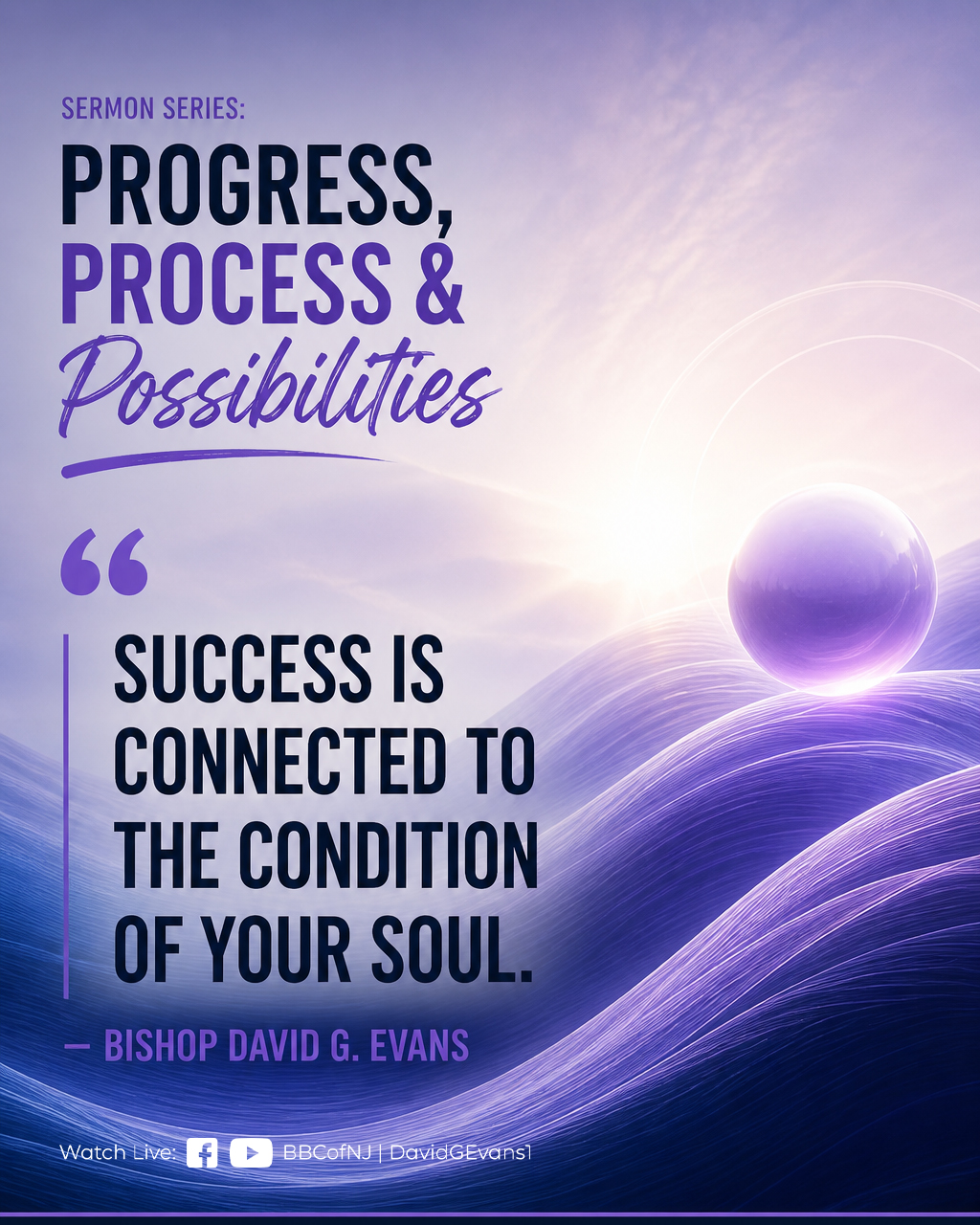
• God desires success for your life, but it is connected to your spiritual growth
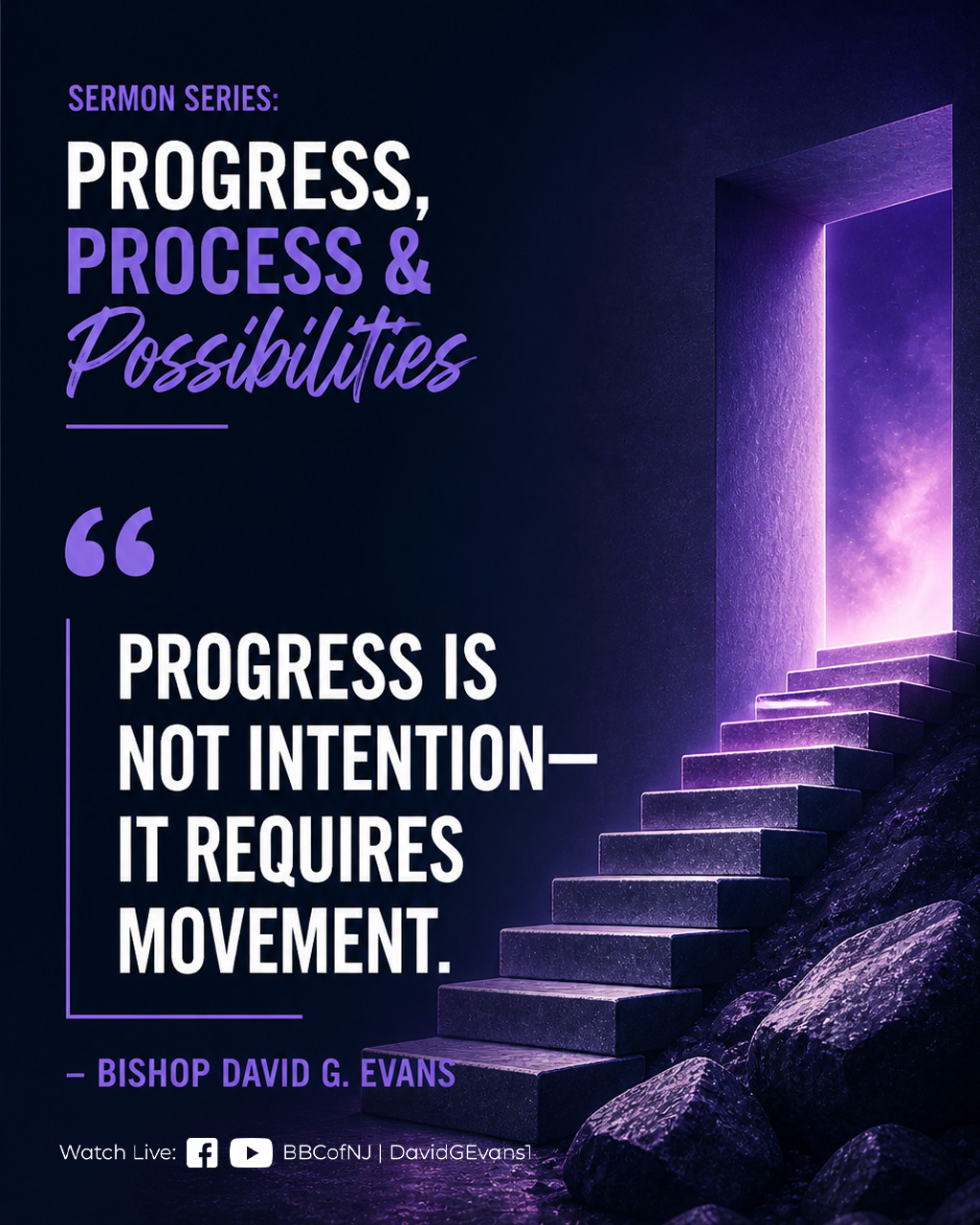
• Progress is not intention—it requires movement and action
• You can live a life God permits or one He truly prefers for you
• Success without maturity can become dangerous
• What God has for you already exists, but you must grow into it
• Trust goes deeper than faith—it keeps you moving when things don’t make sense
This message centers on a powerful truth: success in life is not just about what you achieve, but who you become along the way. Based on 3 John 1:2, the sermon highlights that real prosperity is tied to the condition of your soul. Growth, process, and trust are all part of stepping into what God has already prepared.
How to Trust God’s Process for Success When Life Feels Slower Than Expected
There’s a certain kind of frustration that doesn’t come from failure—it comes from delay.
Things aren’t falling apart, but they’re not moving forward either. You’re putting in effort, trying to stay consistent, doing what you believe is right, and still… it feels like you’re waiting.
Waiting for clarity.
Waiting for movement.
Waiting for something to shift.
That space can feel uncomfortable because it doesn’t give you much to point to. No clear results, no obvious progress—just a quiet sense that things aren’t where you hoped they’d be by now.
And this is usually where the struggle begins—not with effort, but with trust.
Because learning how to trust God’s process for success often starts in seasons where nothing seems to be happening.
How to Trust God’s Process for Success When Growth Is Happening Internally
One of the hardest parts of this journey is accepting that real growth doesn’t always show up on the outside first.
It happens internally.
The sermon makes it clear that success is tied to the soul—your thinking, your perspective, your maturity. That means before anything changes around you, something is being shaped within you.
And that can feel slow.
Because internal growth doesn’t come with applause. It doesn’t always feel rewarding in the moment. It looks like small decisions, quiet discipline, and choosing differently even when no one sees it.
But those are the moments that build stability.
It’s easy to overlook internal progress because it doesn’t feel dramatic. But over time, it becomes the very thing that supports everything else.
How to Trust God’s Process for Success Without Mistaking Movement for Progress
There’s a difference between wanting change and actually moving toward it.
It’s easy to talk about what needs to shift, to plan for something better, or to feel motivated in the moment. But the sermon draws a clear line—progress requires action.
Not perfect action. Just consistent movement.
That can look simple, even small. But small steps matter more than strong intentions that never turn into movement.
Sometimes the delay isn’t about waiting—it’s about alignment. About making sure that what you’re asking for matches how you’re living.
Trusting God’s process for success includes being honest about that part too. Growth doesn’t just happen to you—it happens through you.
How to Trust God’s Process for Success When You Want Faster Results
There’s a natural desire for things to happen quickly.
To move forward. To see results. To feel like the effort is paying off.
But the sermon points out something that’s easy to miss—God won’t give more than you’re ready to handle.
Not because He’s holding back, but because He’s protecting what He’s preparing.
There are things people ask for that, if they arrived too early, would create more pressure than progress. Responsibility without readiness can lead to frustration instead of fulfillment.
So the slower season isn’t always a sign that something is wrong. Sometimes it’s a sign that something is being built the right way.
How to Trust God’s Process for Success When You Could Build a Different Life
One of the more subtle ideas in the message is this: it’s possible to build a life that works—but still miss the life God intended.
That can be hard to recognize because the difference isn’t always obvious.
You can move forward, make decisions, and create something that looks successful on the outside. But internally, it can feel slightly off. Misaligned. Like something isn’t quite settled.
The sermon describes this as the difference between what God permits and what He prefers.
Trusting God’s process for success means choosing alignment over control. It means being willing to adjust, even when something seems right on the surface.
Because what looks right isn’t always what’s best.
How to Trust God’s Process for Success When You’re in a Stretching Season
Not every opportunity feels easy.
Some of the most meaningful growth happens in situations that feel uncomfortable, uncertain, or even a little overwhelming.
There’s a tendency to assume that if something is from God, it should feel smooth. But the message challenges that idea. Sometimes growth requires resistance.
Strength doesn’t develop without pressure.
And in those stretching seasons, it’s not always about figuring everything out—it’s about staying steady while you grow through it.
Trusting God’s process for success in those moments often looks like continuing forward, even when the path feels unfamiliar.
How to Trust God’s Process for Success Without Losing Perspective
There’s also a side of success that doesn’t get talked about as much—the risk that comes with it.
When things begin to improve, when progress becomes visible, it’s easy to shift from dependence to self-reliance. Slowly, without realizing it, the connection that once felt essential becomes less central.
The sermon highlights this as one of the dangers of success—believing you no longer need God in the same way.
That shift is subtle, but it changes everything.
Trusting God’s process for success isn’t just about getting through difficult seasons. It’s also about staying grounded when things begin to go well.
Because what sustains growth is the same thing that started it.
How to Trust God’s Process for Success When Nothing Seems to Be Changing
Some seasons feel quiet in a way that’s hard to explain.
There’s no clear movement. No major shifts. Just a sense of waiting.
And that can feel confusing, especially when you’re used to measuring progress by what you can see.
But the message introduces a powerful idea—God works in the “fullness of time.”
That means there are moments when something is developing beneath the surface, even if it hasn’t been revealed yet.
Like a process that reaches a point where everything is finally ready to come together.
Until then, it may feel like nothing is happening. But that doesn’t mean nothing is being prepared.
How to Trust God’s Process for Success When You Already Have Access
One of the most encouraging parts of the message is this: what God has for you isn’t being created—it already exists.
It’s already decided.
The challenge isn’t access. It’s readiness.
That changes how you see delay. It’s not about being overlooked. It’s about growing into what’s already yours.
Trusting God’s process for success means understanding that timing is connected to maturity. Not just opportunity.
And when those two align, things begin to move in a way that feels natural instead of forced.
Your Story Is Still Unfolding
It’s easy to look at a moment and feel like it says everything.
A slower season can feel permanent. A delay can feel like a dead end.
But the message makes it clear—your story isn’t finished.
There are still parts being written. Still growth happening. Still things coming together in ways you may not see yet.
Trusting God’s process for success often comes down to continuing forward without needing every answer.
Over time, what once felt unclear begins to connect.
What once felt slow begins to make sense.
And what once felt like standing still reveals itself as growth all along.